Everything You Need to Know About Airline Dress Codes
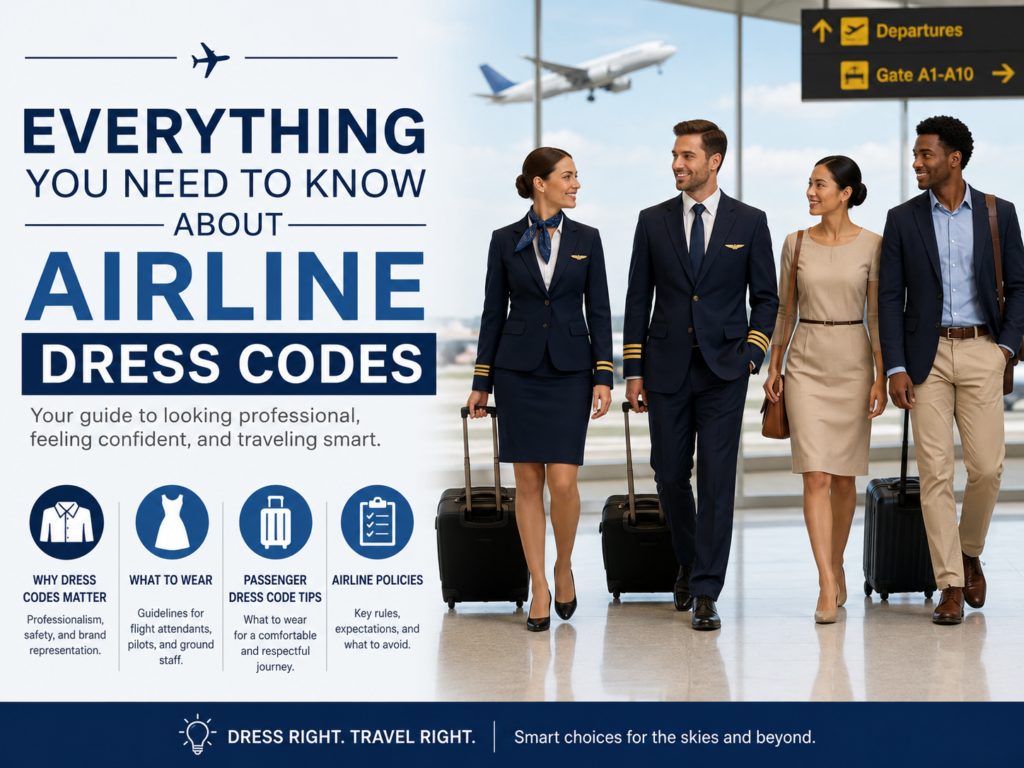
Air travel has become significantly more casual over the past few decades, but one aspect of flying that many travelers overlook is that airlines can still enforce dress standards in certain situations. While there is no universal airline dress code that tells passengers exactly what to wear, most airlines reserve the right to deny boarding or remove passengers whose clothing violates their policies.
A recent report by Travel + Leisure highlighted that airline dress codes are not about fashion preferences but are primarily designed to maintain safety, prevent disturbances, and ensure a comfortable environment for everyone on board. The report also explained that these rules vary from one airline to another, making it important for travelers to understand what is generally acceptable before heading to the airport.
Is There a Universal Airline Dress Code?
The short answer is no.
Unlike schools or workplaces, commercial airlines do not follow one standardized dress code across the industry. Instead, every airline publishes its own conditions of carriage or passenger policies. These documents outline the circumstances under which a passenger may be refused boarding or removed from a flight.
Although the wording differs, many airlines prohibit clothing that is considered offensive, indecent, unsafe, or disruptive. Some airlines also restrict passengers from boarding barefoot or wearing attire that exposes private body parts.
Why Do Airlines Have Dress Policies?
Airline dress policies are generally intended to support three main objectives:
Safety: Certain types of clothing or accessories may pose safety risks during boarding, evacuation, or while moving through the cabin.
Passenger Comfort: Airlines aim to create an environment where passengers are not exposed to clothing or messages that others may reasonably find offensive.
Operational Authority: Airlines have legal authority through their contracts of carriage to establish reasonable standards for passenger conduct, including appearance in specific circumstances.
Importantly, these policies are not intended to dictate fashion trends or require formal clothing.
What Clothing Could Create Problems?
According to travel experts cited by Travel + Leisure, certain types of attire are more likely to attract attention from airline staff.
These include:
- Clothing displaying offensive language, hate speech, or explicit images.
- Garments that excessively expose private areas.
- Bare feet, which many airlines discourage or prohibit.
- Accessories that could present safety concerns, such as excessively sharp or hazardous items.
Whether a passenger is ultimately denied boarding depends on the airline’s specific policy and the judgment of airline staff.
Comfort Is Still the Priority
Despite the existence of dress policies, travel experts generally agree that passengers should prioritize comfort when choosing what to wear on a flight.
Long flights often involve extended periods of sitting, changing cabin temperatures, and walking through airports. Breathable fabrics, layered clothing, and comfortable footwear remain among the most practical choices for travelers.
Many frequent flyers choose athletic wear, leggings, joggers, sneakers, or loose-fitting clothing because these options provide comfort during travel. Travel + Leisure notes that casual clothing itself is not against airline rules. The issue arises only when attire violates a carrier’s published standards.
Why Policies Can Differ Between Airlines
Each airline operates under its own contract of carriage, which functions as a legal agreement between the airline and the passenger once a ticket is purchased.
Because these agreements differ, what may be acceptable on one airline may not necessarily be acceptable on another. Some carriers describe prohibited clothing in broad terms such as “offensive,” “obscene,” or “indecent,” leaving room for interpretation by airline personnel.
This variation is one reason travel experts recommend reviewing an airline’s policies before flying, especially for international trips.
Past Incidents Have Sparked Debate
Airline dress codes occasionally become the subject of public debate when passengers report being stopped from boarding because of their clothing.
One widely discussed incident involved United Airlines in 2017, when several travelers wearing leggings were denied boarding. The airline later clarified that the affected passengers were traveling on employee pass benefits, which were subject to a separate dress code and did not apply to regular ticketed customers.
Other incidents involving various airlines have also generated discussions about how dress policies are interpreted and whether they are applied consistently.
These cases have contributed to broader conversations about passenger rights, fairness, and the balance between airline authority and personal expression.
What Travel Experts Recommend
Experts interviewed by Travel + Leisure emphasize that travelers do not need to dress formally for a flight.
Instead, they recommend clothing that combines comfort with practicality. This includes:
- Wearing clean, comfortable clothing.
- Choosing shoes suitable for walking through airports.
- Bringing an extra layer because cabin temperatures can fluctuate.
- Avoiding clothing with offensive slogans or graphics.
- Checking airline policies before traveling if there is any uncertainty.
These suggestions can help reduce the likelihood of delays or misunderstandings during boarding.
Are Pajamas Allowed?
The growing popularity of travel loungewear has prompted debate about whether pajamas are appropriate for flights.
While there is generally no industry-wide ban on pajamas, opinions differ among travelers and public officials regarding whether they are suitable airport attire.
Recent public discussions have focused more on etiquette than on airline policy. Most airlines do not specifically prohibit pajamas, provided they comply with general standards regarding decency and safety.
The Role of Airline Staff
Gate agents and flight attendants are responsible for enforcing airline policies, including those related to passenger conduct and appearance.
If staff believe a passenger’s clothing violates company policy, they may ask questions, request that the passenger change certain items if possible, or deny boarding in situations where policies have clearly been breached.
Because many dress code provisions use broad language, airline employees often exercise discretion when making these decisions.
International Flights May Have Additional Considerations
Passengers flying internationally may also wish to consider cultural expectations at their destination.
While airline policies generally remain consistent throughout the journey, local customs regarding clothing can differ significantly from country to country. Dressing appropriately for the destination may help travelers avoid unnecessary attention after arrival, although these considerations are separate from airline boarding policies.
Practical Tips Before You Fly
For most travelers, following a few simple guidelines is sufficient:
- Wear comfortable clothing suitable for sitting for long periods.
- Choose shoes that are easy to walk in and appropriate for airport security.
- Avoid offensive graphics or explicit language on clothing.
- Ensure clothing adequately covers private areas.
- Review your airline’s published passenger policies if you are unsure.
Following these basic recommendations can help make the boarding process smoother while allowing passengers to remain comfortable throughout their journey.
The Bottom Line
Airline dress codes are often misunderstood. Contrary to popular belief, most airlines do not require passengers to dress formally, nor do they regulate everyday fashion choices. Instead, their policies are designed to address situations involving offensive, indecent, or potentially unsafe attire.
The Travel + Leisure report underscores that there is no single dress code applicable to all airlines. Each carrier establishes its own standards through its passenger policies, and enforcement may vary depending on the circumstances. For travelers, the safest approach is to prioritize comfort while ensuring clothing is respectful, practical, and consistent with the airline’s published guidelines. Doing so can help avoid unnecessary disruptions and contribute to a smoother travel experience for everyone on board.